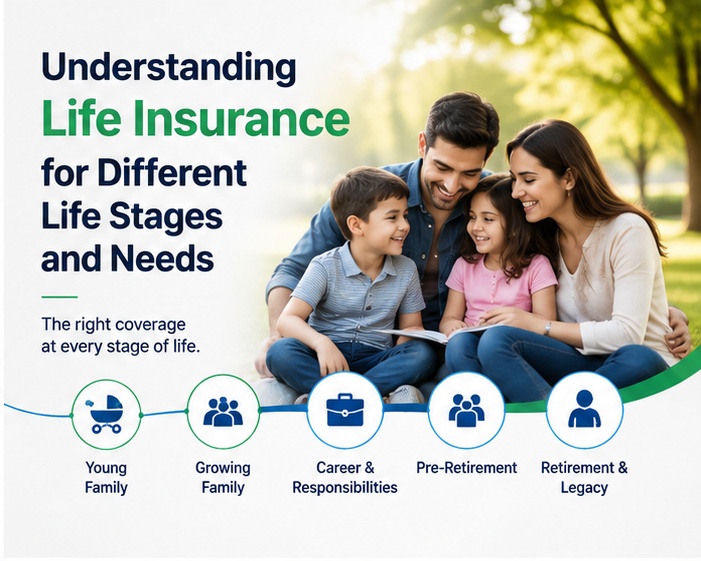
When people start thinking about protecting their loved ones, the phrase life insurance for often comes up in conversations and online searches. It is a broad term that covers many policy types, each designed to address specific financial responsibilities and future goals. This guide breaks down the essentials in plain language so you can make an informed decision without feeling overwhelmed.
Why Life Insurance Matters
Life insurance provides a financial safety net that can replace lost income, cover debts, and fund future expenses such as college tuition or mortgage payments. While the core idea is simple, the details vary widely depending on age, health, family structure, and long‑term objectives. Understanding the purpose behind each policy type helps you match coverage to your unique situation.
Types of Life Insurance
Term Life Insurance
Term policies offer coverage for a set period, typically 10, 20, or 30 years. They are usually the most affordable option and work well for temporary needs like paying off a mortgage or supporting children until they become financially independent.
Whole Life Insurance
Whole life provides lifelong protection and builds cash value over time. Premiums are higher than term, but the policy can serve as a savings component that grows tax‑deferred.
Universal Life Insurance
Universal life adds flexibility to premium payments and death benefits. Policyholders can adjust coverage amounts and premium levels within certain limits, making it a versatile choice for changing financial circumstances.
Life Insurance for Seniors
Older adults often look for life insurance for seniors to cover final expenses, leave a legacy, or supplement retirement income. Simplified issue and guaranteed issue policies are popular because they require little or no medical underwriting. While premiums are higher per dollar of coverage, they can provide peace of mind without a lengthy approval process.
Key Considerations for Seniors
- Determine the primary goal: funeral costs, debt payoff, or inheritance.
- Compare simplified issue versus guaranteed issue options.
- Review the policy’s graded death benefit period, if any.
Life Insurance for Stay-at-Home Moms
Many families overlook the financial contribution of a stay‑at‑home parent. Life insurance for stay at home moms can replace the value of childcare, household management, and transportation services that would otherwise require paid help. A term policy aligned with the years until children reach adulthood is a common, cost‑effective solution.
Calculating Coverage Needs
- Estimate the annual cost of replacing domestic services.
- Multiply by the number of years until the youngest child is independent.
- Add any outstanding debts or future education expenses.
How to Choose the Right Policy
Assess Your Financial Obligations
List all current debts, ongoing expenses, and future goals. This inventory forms the baseline for the death benefit you may need.
Evaluate Your Budget
Premiums should fit comfortably within your monthly cash flow. Term policies generally offer the lowest cost for a given coverage amount.
Consider Health and Age
Younger, healthier applicants qualify for the best rates. If health issues exist, look into no‑exam or guaranteed issue products, keeping in mind the trade‑off in cost.
Review Policy Riders
Riders such as accelerated death benefit, waiver of premium, or child term rider can enhance a base policy. Choose only those that address a realistic need.
Common Myths About Life Insurance
- Myth: Only breadwinners need coverage. Fact: Non‑working spouses provide valuable services that would be costly to replace.
- Myth: Life insurance is too expensive. Fact: Term policies can cost less than a daily coffee for many applicants.
- Myth: Employer‑provided coverage is enough. Fact: Group policies often end when you leave the job and may not meet total family needs.
Next Steps
Start by defining the purpose of the coverage you want. Gather basic information such as age, health status, and financial obligations. Then request quotes from several reputable carriers or work with an independent agent who can compare options side by side. Remember, the best policy is the one that aligns with your goals and fits your budget.
Conclusion
Choosing life insurance for your family is a thoughtful process that balances protection, affordability, and future planning. Whether you are exploring life insurance for seniors, evaluating life insurance for stay at home moms, or simply learning the basics, the key is to match the policy type to your specific life stage and financial picture. With clear information and a structured approach, you can secure a policy that offers lasting peace of mind.



Leave a Reply